
 Belgique (français)
 Canada (english)
 Deutschland
 España
 France
 Ireland
 Italia
 Luxembourg (français)
 Nederland
 Portugal
 Schweiz (deutsch)
 United Kingdom
 Österreich


Running in tires
Running in and wear
All new tires need a running-in period. To run in your tires, you should drive at moderate speeds during the first 125-200 miles, in order to improve long term tire performance. Until you have adapted your driving style to the new tires, rapid accelerations and sudden braking during the first miles are not recommended. If your old set of tires was considerably worn, be aware that the your vehicle will operate differently with the new set, even if the brand and the characteristics are identical.
Monitoring tire wear
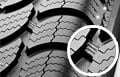 When you check tire pressure, you should also check treadwear. TWI indicators are branded into the sidewall and allow the driver to locate wear check-points. A tire should never be worn down to the bars beneath the treads' surface and wear should be evenly distributed.
Dangers associated with tire wear
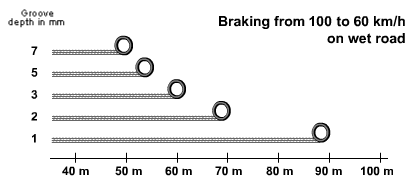
Tire wear leads to a loss of grip. The more worn your tires are (indicated by shallower grooves), the longer braking distances will be, especially on wet roads. The risk of aquaplaning will also be greater.
Evening out tire wear
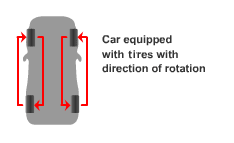
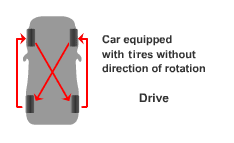
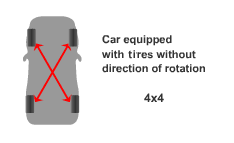
Tire position (geometry, alignment) and your driving style can cause your tires to wear differently. To evenly distribute wear, rotating front and rear tires every 3000-6000 miles is recommended.